Flash SaleGet 74% off + 3 Months Free on Premium VPNs!
00:00:00
The VPN Shield
Back to Guides

Level Up Your Defenses: How a VPN Stops DDoS Attacks and Fixes Ping

By The VPN Shield Team2026-05-28Gaming
Level Up Your Defenses: How a VPN Stops DDoS Attacks and Fixes Ping

Level Up Your Defenses: How a VPN Stops DDoS Attacks and Fixes Ping

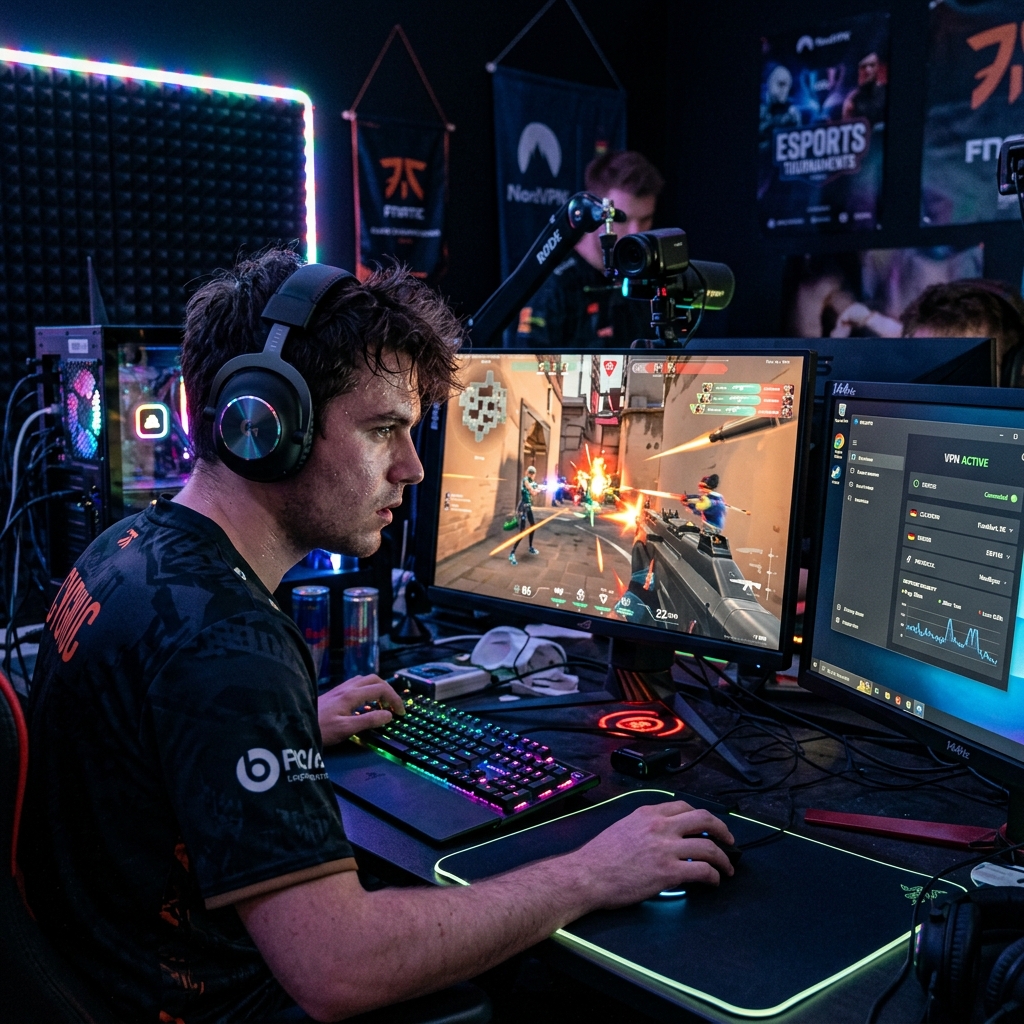
It’s the final round of a grueling ranked match. Your team is relying on you. You've got the perfect flank set up, your crosshairs are locked on the enemy, and you are milliseconds away from clutching the game.

Suddenly, your character freezes. Your voice comms turn robotic. The dreaded "Connection Lost" icon flashes on your screen, and you are booted back to the main menu.

You didn't just have a random internet hiccup. You were targeted. A salty opponent on the other team grabbed your IP address and flooded your router with garbage traffic, choking your connection to death.

Welcome to the toxic reality of competitive online gaming: the Distributed Denial of Service (DDoS) attack.

For years, VPNs were seen as a gamer's worst enemy, something that would only add lag to your connection. But the landscape has shifted. Today, a premium gaming VPN is an essential piece of utility, acting as a digital riot shield against malicious players and restrictive networks.

Here is exactly why serious gamers are routing their traffic through VPNs, and how it can save your rank.

The DDoS Threat: How Salty Players Break the Game

To understand how to stop a DDoS attack, you need to understand how the weapon is fired.

Every time you connect to the internet, your modem is assigned a public IP address. It’s like your home’s street address, telling the game server where to send the data packets so you can see what’s happening in the game.

In peer-to-peer (P2P) games (and even in games with dedicated servers where voice chat is handled via P2P), it is terrifyingly easy for other players to see your public IP address using basic packet-sniffing software.

Once a malicious player has your IP address, they can initiate a DDoS attack. They use a network of compromised computers (a botnet) to simultaneously send massive amounts of useless data directly to your router. Your router becomes instantly overwhelmed trying to process all this garbage traffic. It chokes, your legitimate game data gets dropped, and your internet completely shuts down.

You lose the match, you lose your MMR, and you might even get an abandon penalty.

The VPN Riot Shield: Absorbing the Blow

This is where a Virtual Private Network completely changes the dynamic.

When you connect to a VPN before launching your game, your internet traffic is routed through a secure, encrypted tunnel to a remote server. Crucially, the game server (and every other player in the lobby) no longer sees your real home IP address. They only see the IP address of the massive VPN server you are connected to.

Here is what happens when a salty player tries to DDoS you while you have a VPN active:

  1. The attacker grabs the IP address they think is yours.
  2. They launch the DDoS attack, firing massive amounts of junk data at that IP.
  3. The attack hits the VPN server, not your home router.
  4. Premium VPN providers have massive, enterprise-grade infrastructure specifically designed to absorb and mitigate multi-gigabit DDoS attacks. The VPN server easily swallows the junk traffic without breaking a sweat.
  5. Your game continues uninterrupted. The attacker wastes their time and resources, and you secure the victory.

By masking your real IP address, a VPN essentially acts as a digital bodyguard, taking the bullet so your home network stays perfectly safe.

Beyond DDoS: Can a VPN Actually Lower Your Ping?

The conventional wisdom in gaming is that any extra hop your data makes will increase your ping (latency). Because a VPN routes your data to an intermediary server before hitting the game server, it should make your lag worse.

However, in specific scenarios, a premium VPN can actually reduce your ping and fix packet loss. How? By fixing terrible routing.

When you send data to a game server, your Internet Service Provider (ISP) gets to choose the path that data takes. Often, ISPs will route your traffic through cheap, congested network hubs to save money, rather than taking the most direct route. It’s like being forced to take a gridlocked backroad instead of the empty highway.

If you connect to a VPN server located close to the game server, the VPN provider will often use optimized, premium routing networks. You are essentially bypassing your ISP's inefficient traffic jams and taking a direct, VIP digital highway straight to the game server.

While a VPN won't magically turn a 200ms ping into 20ms, it can absolutely stabilize a jittery connection, eliminate packet loss, and shave off crucial milliseconds if your ISP is throttling or poorly routing your traffic.

Unlocking Bot Lobbies and Bypassing Bans

The utility of a gaming VPN extends beyond pure connection stability. It is also the ultimate tool for matchmaking manipulation and network freedom.

Escaping Skill-Based Matchmaking (SBMM): Games like Call of Duty utilize strict SBMM, which can turn casual gaming sessions into exhausting sweat-fests. Some players use a VPN to connect to servers in different time zones or regions where the player population is lower or less competitive at that specific hour. By changing your virtual location, you can sometimes trick the matchmaking algorithm into placing you in easier lobbies.

Bypassing IP Bans and Network Restrictions: If you play on a college campus or an office network, you might find that the network administrators have blocked the ports required to connect to Steam, Battle.net, or specific game servers. A VPN encrypts your traffic and routes it through standard ports, completely blinding the network firewall. The admin just sees encrypted data, and you get to play your game.

Similarly, if you are unfairly hit with an IP ban by a game developer, changing your IP address via a VPN allows you to create a new account and get back into the action.

Choosing the Right Weapon: Not All VPNs Can Game

If you try to game on a free VPN or a low-tier provider, you will have a miserable experience. The encryption overhead and poor server infrastructure will cause your ping to skyrocket to unplayable levels.

To game effectively with a VPN, you need a provider that offers:

  • Massive Server Networks: You need to be able to find a server that is geographically close to both you and the game server.
  • Next-Gen Protocols: Look for VPNs that utilize WireGuard or proprietary lightweight protocols. These are vastly faster than legacy protocols like OpenVPN and add almost zero latency to your connection.
  • Anti-DDoS Infrastructure: Ensure the provider explicitly advertises DDoS protection on their servers.

The Final Verdict

Competitive gaming is stressful enough without having to worry about script kiddies knocking your internet offline because they lost a gunfight.

A premium VPN is no longer a niche tool for paranoid privacy advocates; it is a fundamental piece of gaming hardware. It protects your home network, stabilizes your connection, and ensures that when you load into a match, the only thing you have to worry about is hitting your shots. Equip your digital armor, and go get that win.

Ready to protect yourself?

Check out our top-rated VPNs and secure an exclusive discount today.

See the Best VPNs of 2026

© 2026 The VPN Shield. All rights reserved.